Source modern luxury nordic crystal chandelier for Living Room, Hotel, Restaurant
Compare 26 listings for the modern luxury nordic crystal chandelier featuring iron and crystal construction with customizable options. Buyers can evaluate specifications like voltage, beam angle, and certifications for living rooms, hotels, and restaurants.
Key considerations
Products List




Comprehensive Sourcing Guide
Strategic Sourcing Guide for Modern Luxury Nordic Crystal Chandeliers
Defining the Product Category and Design Aesthetics
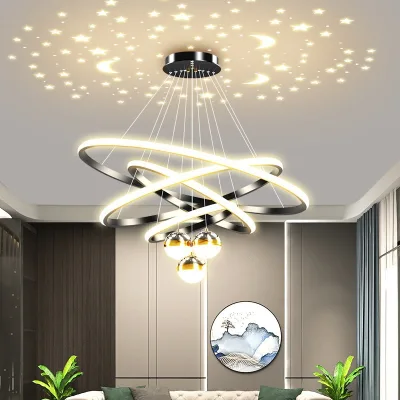
The term "modern luxury nordic crystal chandelier" describes a specific intersection of design philosophy and functional lighting. In the context of global procurement, this category typically refers to fixtures that blend the clean, functional lines of Nordic design with the opulent texture of crystal elements. The observed product attributes indicate a strong preference for materials such as iron and crystal, often finished in polished gold to create a warm, inviting glow. The design styles observed in the market range from contemporary to traditional, with specific mentions of "European" styling that aligns with the luxury aesthetic buyers seek.
When sourcing these items, buyers must distinguish between generic crystal pendants and those adhering to the "Nordic" ethos, which often implies simplicity in form despite the richness of materials. The product data highlights specific dimensions, such as a diameter of 600mm and a height of 340mm, which are critical for spatial planning in living rooms, hotels, and luxury homes. The "Nordic" label in procurement often signals a demand for high customization, allowing buyers to adjust crystal lengths or color temperatures to suit specific interior schemes. The available lamp holders, including E14, E26, E27, and E39, provide flexibility in bulb selection, though the primary lighting source is increasingly shifting toward integrated LED solutions to meet energy efficiency standards.
Technical Specifications and Performance Parameters
Understanding the technical backbone of these chandeliers is essential for ensuring compatibility with existing electrical infrastructure and desired lighting effects. The voltage requirements observed in the supply data vary, with some units operating on a wide input range of AC85-265V, while others specify narrower ranges like 36V or 90V-260V. This variance necessitates careful verification of the specific model's electrical requirements against the destination country's grid standards to prevent compatibility issues. The power consumption figures, such as 35W for certain LED models, suggest a focus on energy efficiency, which is a key component of modern luxury lighting.
The irradiated area is a critical performance metric for these fixtures. Data indicates that different models cover varying square meterages, ranging from 10-15 square meters for smaller units to areas greater than 30 square meters for larger installations. This distinction is vital for procurement teams to match the fixture size to the room dimensions. The beam angle is consistently observed at 80°, which provides a broad, ambient light distribution suitable for general illumination in living spaces. Furthermore, the color temperature options are diverse, offering Warm White, as well as adjustable ranges of 3000K, 4000K, and 6000K. This adjustability allows buyers to tailor the ambiance of a space, shifting from cozy, intimate settings to bright, professional environments.
The physical construction relies heavily on iron bodies combined with crystal elements. The finish is typically polished gold, contributing to the "luxury" classification. The product dimensions, such as a 600mm diameter, are standard for large dining or living room installations. Buyers should also note the lamp holder configurations, which may support up to 12 pieces of E12/E14 bulbs with a maximum of 40W per bulb, or integrated LED strips. The customization options extend to the crystal itself, allowing for variable lengths and specific color requirements, which is a significant differentiator in the luxury market.
Compliance, Certification, and Safety Standards
Navigating the regulatory landscape is a non-negotiable aspect of sourcing lighting products for international markets. The supply data lists a comprehensive array of certifications, including CE, CCC, CQC, C-tick, EMC, Energy Star, ETL, FCC, FDA, GOST, GS, LVD, PSE, REACH, RoHS, SAA, SASO, and VDE. These certifications indicate the product's compliance with safety, electromagnetic compatibility, and environmental standards across various regions. For instance, CE and LVD are essential for the European market, while SAA and C-tick are mandatory for Australia and New Zealand. The presence of RoHS confirms that the materials used are free from specific hazardous substances, aligning with global environmental regulations.
However, buyers must exercise caution when interpreting these certifications. The data presents multiple certification lists, some of which may apply to specific models rather than the entire product line. For example, one entry lists "CE, EMC, LVD, RoHS, SAA, VDE," while another mentions "CE, CCC, RoHS, ISO." It is imperative for procurement teams to verify that the specific unit being ordered carries the valid certification for the target export market. The "Our Certification" and "Certification" fields in the product data suggest that suppliers may hold multiple accreditations, but the buyer must request the specific test reports for the batch they intend to purchase.
Additionally, the product standard is noted as "on-demand custom," which implies that the manufacturing process can be adapted to meet specific regional standards. This flexibility is a double-edged sword; while it allows for customization, it also requires rigorous quality assurance to ensure that the custom standard does not compromise safety. The lead time of 25-30 days after the deposit is a factor that suppliers use to guarantee quality, suggesting that rushing the production process could lead to certification gaps or safety failures. Buyers should insist on seeing the actual certification documents for the specific model number, such as CY6915, rather than relying on general supplier claims.
Cost Drivers and Pricing Structures
The pricing of modern luxury crystal chandeliers is influenced by several factors, including material quality, customization levels, and certification compliance. The observed price range in the market spans from $13.97 to $500, a wide spectrum that reflects the diversity in product complexity and brand positioning. The lower end of the range likely corresponds to smaller, less customized units with standard finishes, while the higher end represents large, fully custom-designed fixtures with premium crystal and intricate gold plating.
The Minimum Order Quantity (MOQ) is another significant cost driver, with observed ranges from 1 to 500 units. Some suppliers offer an MOQ of 30 pieces, which is typical for wholesale buyers looking to stock inventory. However, for custom projects, the MOQ may be higher, or the unit price may increase due to the setup costs associated with custom designs. The customization availability is a key feature, allowing buyers to specify colors, crystal lengths, and dimensions, but this flexibility often comes with a premium.
Packaging is also a cost factor. The data indicates that products are packed in cartons with foam inside or in wooden crates. Wooden packaging is generally more expensive but offers superior protection for fragile crystal components during long-distance shipping. The shipping method, whether by express courier, air, or sea, will further impact the total landed cost. Buyers should calculate the total cost of ownership, including shipping and potential customs duties, rather than focusing solely on the unit price. The 10-year warranty period mentioned for some models suggests a higher initial investment but offers long-term value by reducing replacement costs.
Typical Applications and Spatial Integration
Modern luxury crystal chandeliers are designed to elevate the aesthetic of high-end residential and commercial spaces. The primary applications identified include living rooms, hotels, restaurants, and luxury homes. The specific mention of "Conference Room" as an applicable place highlights the versatility of these fixtures in professional environments where a touch of elegance is required. The irradiated area capabilities, ranging from 10 to over 30 square meters, make these lights suitable for a wide variety of room sizes, from intimate dining nooks to grand ballrooms.
The design style, described as "Contemporary or Traditional" and "European," allows these chandeliers to blend seamlessly into various interior design schemes. The polished gold finish and crystal elements add a layer of sophistication that is particularly valued in hospitality and luxury real estate sectors. The ability to adjust the color temperature is a crucial feature for these applications. For instance, a restaurant might prefer a warmer 3000K light to create a cozy dining atmosphere, while a conference room might benefit from a cooler 4000K or 6000K light to enhance focus and visibility.
The "Lighting Solutions Service" offered by suppliers, including lighting and circuitry design, is particularly valuable for large-scale commercial projects. This service ensures that the chandelier is not just a standalone fixture but an integrated part of the overall lighting plan. The feature of being "Ceiling Light" compatible and the option for adjustable crystal lengths allow for precise spatial integration, ensuring that the fixture hangs at the correct height and provides the desired light distribution.
Supplier Evaluation and Quality Assurance
Selecting the right supplier is critical for ensuring the quality and reliability of modern luxury crystal chandeliers. The product data indicates that the origin of these goods is Zhongshan, China, a region known for its lighting manufacturing capabilities. Buyers should evaluate suppliers based on their ability to provide the full range of certifications, their customization capabilities, and their quality control processes. The "on-demand custom" standard suggests that suppliers should be flexible and responsive to specific design requirements.
Quality assurance should be a primary focus, given the fragile nature of crystal components. The 25-30-day lead time is cited as a guarantee of quality, implying that rushing production could lead to defects. Buyers should verify the supplier's quality control protocols, including testing for electrical safety, structural integrity, and finish durability. The warranty periods, ranging from 2 to 10 years, are a strong indicator of the supplier's confidence in their product. A longer warranty period, such as the 10-year guarantee, suggests a higher commitment to quality and after-sales support.
The packaging method is another indicator of quality. Suppliers offering wooden packing or foam-lined cartons demonstrate a concern for protecting the product during transit. Buyers should also assess the supplier's logistics capabilities, as the shipping options include express courier, air, and sea. The ability to handle complex logistics is essential for international procurement. Finally, the supplier's ability to provide lighting and circuitry design services adds value, ensuring that the chandelier is not only beautiful but also functionally integrated into the building's electrical system.
Long-Term Procurement and Maintenance Considerations
Sourcing modern luxury crystal chandeliers involves long-term considerations beyond the initial purchase. The warranty periods, which can extend up to 10 years, are a significant factor in the total cost of ownership. Buyers should carefully review the terms of the warranty to understand what is covered, such as LED components, crystal damage, or electrical failures. The 3-year color guarantee mentioned in the data suggests that the finish is expected to remain stable over time, which is crucial for maintaining the aesthetic appeal of the fixture.
Maintenance is another critical aspect. The use of LED lighting sources reduces the frequency of bulb replacements, but the crystal elements require regular cleaning to maintain their brilliance. Buyers should consider the accessibility of the fixture for cleaning and the availability of replacement parts. The customization options, such as adjustable crystal lengths, may require specialized tools or expertise for maintenance, which should be factored into the procurement decision.
The environmental impact of the product is also a growing concern. Certifications like RoHS and Energy Star indicate that the product meets environmental standards, but buyers should also consider the end-of-life disposal of the fixture. The use of iron and crystal, while durable, requires proper recycling or disposal methods. The supplier's commitment to sustainability, as evidenced by their certifications and material choices, should be a key criterion in the selection process.
In conclusion, sourcing modern luxury nordic crystal chandeliers requires a balanced approach that considers design, technical specifications, compliance, cost, and long-term value. By leveraging the detailed product data and adhering to rigorous quality and certification standards, buyers can secure high-quality fixtures that meet the demands of the luxury market. The flexibility in customization and the wide range of applications make these chandeliers a versatile choice for enhancing the ambiance of any space.
FAQs
What certifications are available for these chandeliers?
The products hold multiple certifications including CE, RoHS, CCC, and SAA. Buyers must verify specific test reports for their target export market as certification lists vary by model.
How long is the delivery time after deposit?
Delivery takes 25 to 30 days after the deposit to guarantee quality. This timeframe ensures proper manufacturing standards are met before shipping the custom or standard units.
Can I customize the crystal length and color?
Yes, customization is available for crystal length and color requirements. Buyers can specify these details to match their interior design schemes while the supplier adjusts the production accordingly.
What is the minimum order quantity for these lights?
The minimum order quantity ranges from 1 to 500 units depending on the supplier. Some specific models require a minimum of 30 pieces for wholesale orders.
Which lamp holders are supported by the fixture?
The fixture supports E14, E26, E27, and E39 lamp holders. Some models also accept LED strips or up to 12 pieces of E12/E14 bulbs with a maximum of 40W each.
What is the warranty period for the chandelier?
Warranty periods range from 2 to 10 years depending on the specific model selected. A 10-year warranty indicates a higher commitment to product durability and after-sales support.
Where are these chandeliers manufactured?
These products originate from Zhongshan, China, a known lighting manufacturing hub. Buyers should expect the production to follow on-demand custom standards set by the local factories.